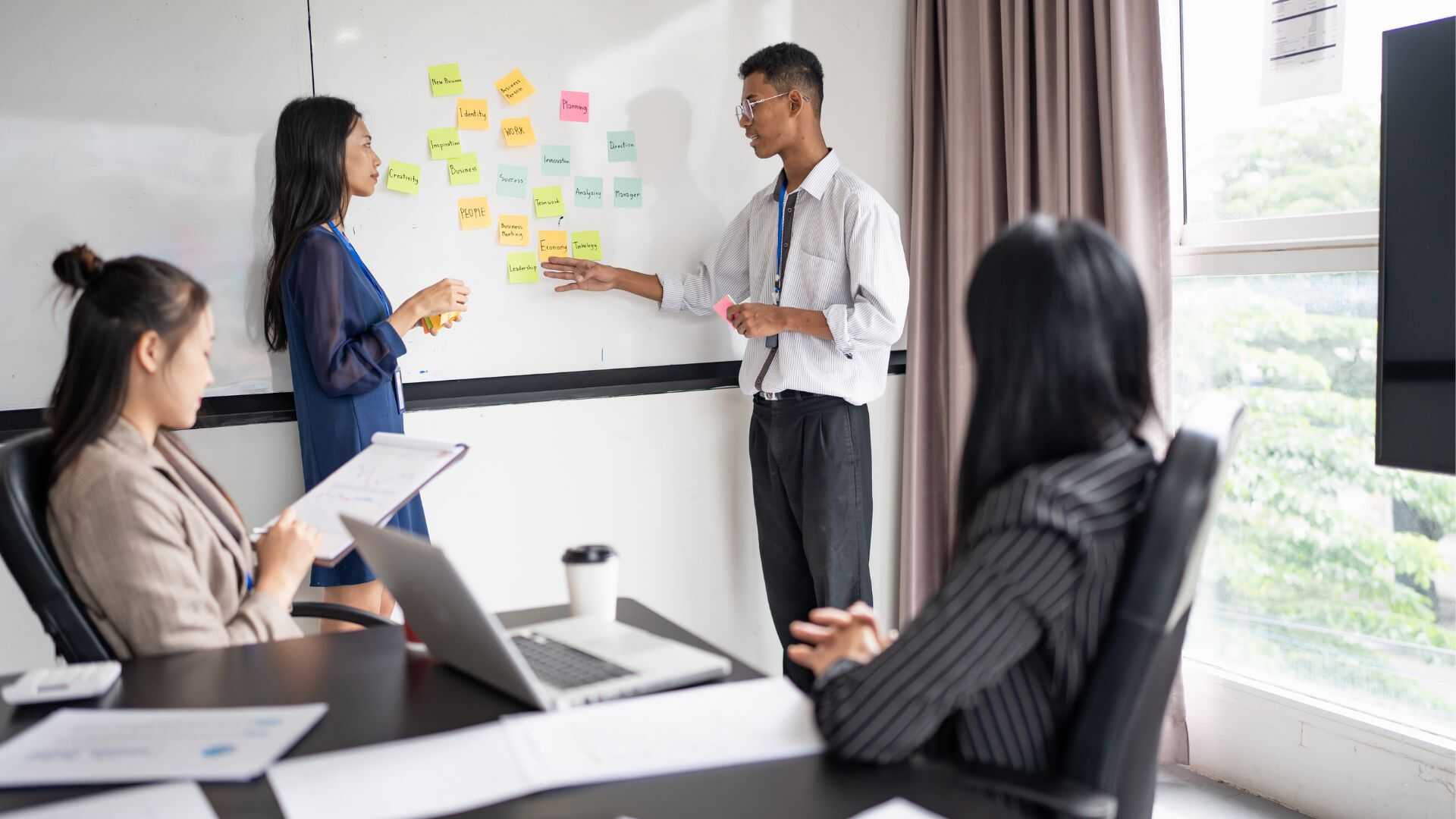
Businesses today are evolving rapidly, and so must the environments where teams collaborate. The rise of agile work methods has redefined what a productive workspace looks like. Organisations are moving away from rigid, cubicle-based offices to dynamic, flexible, and collaborative environments that encourage communication, creativity, and innovation. Designing an agile workspace has become essential for any company seeking to improve teamwork, adaptability, and performance.
This article explores how to create spaces for team collaboration in agile work, the principles behind agile workspace design, and how modern workspace strategies support productivity. It will also highlight how companies like Prima Commercial Fitouts in Australia can help businesses transform their workplaces into thriving agile environments.
Understanding Agile Work and Its Impact on Modern Offices
The term agile work isn’t just a buzzword, it’s a cultural and operational shift. Originating from the software development industry, agile principles prioritise flexibility, collaboration, and responsiveness to change. In office environments, this translates into creating physical spaces that support these same values.
An agile workspace is designed to empower employees to choose how and where they work based on their tasks. This approach fosters communication and teamwork while accommodating individual work preferences. Traditional office setups, with fixed desks and segregated departments, often hinder collaboration. In contrast, agile workspace design encourages fluidity, breaking down barriers and enabling cross-functional interaction.
Key Principles of Agile Workspace Design
Creating a truly agile office requires thoughtful planning and a clear understanding of team dynamics. The following principles are essential when designing collaborative spaces for agile work:
Flexibility and Adaptability
An agile workspace design should allow employees to move freely between different zones depending on their needs. This means a flexible office environment where spaces can be reconfigured easilywhether for group discussions, brainstorming sessions, or quiet concentration. Modular furniture, movable partitions, and multipurpose rooms play a vital role in achieving this adaptability.
Encouraging Collaboration
The core of agile work is teamwork. Spaces should be designed to promote interaction, creativity, and communication. Open-plan layouts, breakout zones, and huddle areas help teams connect quickly and share ideas effortlessly. A dynamic office setup enables informal conversations that often lead to innovation.
Balancing Privacy and Openness
While collaboration is important employees also need areas where they can focus without distractions. A well designed agile workspace provides a mix of open and private zones. This balance ensures that teams can collaborate effectively without sacrificing individual productivity.
Technology Integration
Agile work depends on seamless communication and real-time collaboration. Integrating digital tools such as video conferencing systems, wireless connectivity, and cloud-based platforms supports agile teams regardless of their physical location. A modern workspace strategy should always include reliable technology to enable hybrid and remote work models.
Comfort and Wellbeing
Employee wellbeing directly affects performance. Ergonomic furniture, natural lighting, and biophilic elements (like indoor plants) contribute to a healthier and more inspiring workspace. When people feel comfortable and supported, they’re more engaged and motivated to collaborate.
Designing Spaces That Drive Agile Collaboration
Effective agile workspace design involves creating specific zones that cater to different work modes. Each zone supports a particular type of activity, ensuring that teams have the right environment for any task.
Collaboration Zones
These are the heart of an agile office solution. Collaboration zones are open areas equipped with writable walls, interactive screens, and flexible seating arrangements. They allow teams to brainstorm, discuss, and co-create with ease.
Focus Areas
While collaboration is key, focus areas provide the necessary quiet for deep work. Acoustic panels, private pods, and soundproof booths are ideal for tasks that require concentration.
Social and Breakout Spaces
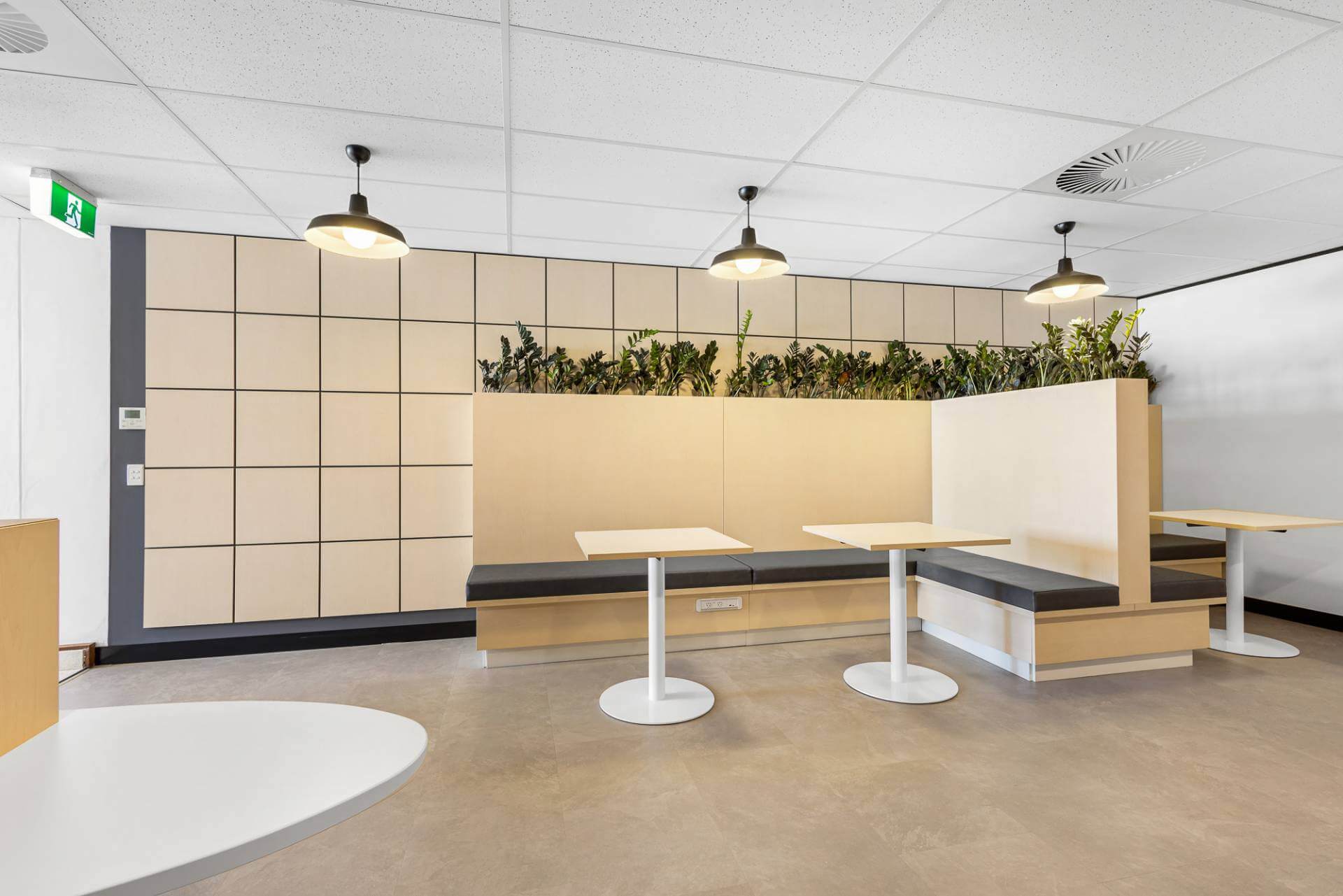
A dynamic office setup should also cater to informal interactions. Cafés, lounges, and recreational areas give employees opportunities to relax, connect, and exchange ideas organically. Many innovative solutions and strategies emerge from these casual encounters.

Project Rooms
Dedicated project rooms support agile workflows by allowing teams to work together intensively on specific projects. These rooms often feature flexible furniture, digital boards, and walls for displaying project timelines or agile sprint boards.
Hot-Desking and Activity-Based Working
Agile work encourages mobility. Flexible office environments adopt hot-desking policies, where employees choose a workspace that best suits their current task. This reduces unused space and fosters collaboration among different teams.
The Benefits of Agile Workspace Design
Investing in an agile workspace delivers tangible benefits to both employers and employees.
- Enhanced Collaboration: Teams work more efficiently in spaces designed for interaction and creativity.
- Greater Flexibility: Modular layouts allow easy reconfiguration to support evolving business needs.
- Improved Employee Engagement: A thoughtfully designed flexible office environment fosters a sense of belonging and motivation.
- Better Use of Space: Agile offices make more efficient use of real estate, reducing wasted areas.
- Increased Innovation: A dynamic office setup inspires creativity and supports experimentation.
Support for Hybrid Work: Integrated technology ensures that on-site and remote workers collaborate seamlessly.
When businesses embrace modern workspace strategies, they create environments that not only attract top talent but also retain them through enhanced satisfaction and productivity.
Modern Workspace Strategies for Agile Teams
Implementing an agile work environment requires more than just rearranging furniture. It involves adopting modern workspace strategies that align with business objectives and employee needs.
- Human-Centred Design: Prioritising user experience ensures the workspace meets the needs of all employees. This means considering comfort, accessibility, and inclusivity.
- Sustainability: Modern offices integrate eco-friendly materials and energy-efficient systems. Sustainable agile workspace designs not only reduce environmental impact but also enhance employee wellbeing.
- Data-Driven Design: Using occupancy sensors and workspace analytics helps businesses understand how employees use spaces, allowing continuous improvement in layout and functionality.
- Blended Work Models: Incorporating hybrid work principles into agile office solutions ensures flexibility for both in-office and remote team members.
Continuous Feedback: Agile principles emphasise iteration and feedback. This approach can be applied to workspace design as well — regularly collecting input from employees ensures spaces evolve with their needs.
Case in Point: Agile Workspace Design in Practice
Many forward-thinking companies have embraced agile workspace design to enhance collaboration. For instance, leading tech firms and creative agencies have reimagined their offices with open zones, movable furniture, and integrated digital tools.
These workplaces demonstrate how flexibility and functionality can coexist. Instead of assigning fixed desks, employees are encouraged to choose where they work each day. Meeting rooms are equipped with digital collaboration tools, while breakout spaces foster spontaneous discussion.
Such dynamic office setups not only improve productivity but also strengthen company culture by fostering inclusivity and transparency.
The Role of Prima Commercial Fitouts in Creating Agile Workspaces
Designing and building an effective agile workspace requires expertise, experience, and attention to detail – qualities that Prima Commercial Fitouts brings to every project. Based on the Sunshine Coast, Prima specialises in transforming traditional offices into vibrant, collaborative environments that reflect the essence of agile work.
With a deep understanding of modern workspace strategies, Prima Commercial Fitouts helps businesses design environments that are not only visually stunning but also functional and future-ready. From planning and construction to fitout and finish, Prima’s team ensures that every element supports flexibility, collaboration, and employee wellbeing.
Whether you’re a small start-up looking to create a more flexible office environment or a large enterprise seeking agile office solutions, Prima tailors each project to your specific goals and company culture. The result? Workspaces that inspire innovation and empower your teams to perform at their best.
Building the Future of Work with Prima Commercial Fitouts
Developing spaces that support team collaboration in agile work is crucial for organisations striving to remain competitive in a rapidly changing business world. Agile workspace design nurtures creativity, communication, and ongoing improvement, enabling businesses to flourish.
We believe that a well-designed agile workspace is the foundation of a productive, motivated, and connected team. Our goal is to transform your office into a space that embodies flexibility, efficiency, and innovation.If you’re ready to reimagine your workplace and empower your teams through a dynamic office setup, let us help you bring your vision to life.
Learn more about how we can design a workspace that moves with you – agile, adaptable, and built for the future.