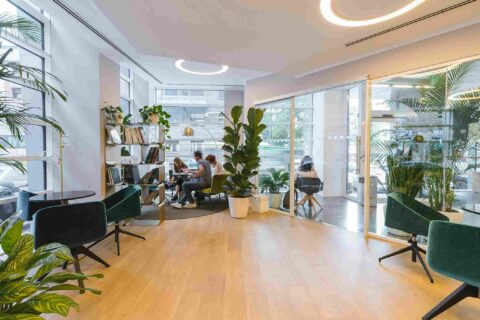
Feeling stuck in your outdated office? Imagine a workspace that boosts employee morale, sparks creativity, and fuels productivity. That’s the power of a well-designed office fitout!
This guide, brought to you by Prima Commercial Fitouts, unlocks the secrets to transforming your space. It takes you step-by-step through the office fitout process of creating a custom-built environment that drives your business success.
We’ll cover the different fitout types Prima offers and the benefits you can expect.
You can expect to learn all you need to create the dream office for your team, with the help of Prima Commercial Fitouts’ expertise.
Understanding Office Fitouts
Office fitouts, also known as office refurbishments or office renovations, involve the process of redesigning and restructuring an existing office space to better suit the needs of the occupants. Whether it’s a complete overhaul or a simple reconfiguration, office fitouts aim to maximise functionality, efficiency, and aesthetics within the workspace.
Types of Office Fitouts
The world of office design offers a variety of fitout options, each catering to distinct needs and preferences. From fostering teamwork with collaborative spaces to creating zones for concentrated work, or even optimising for cost-effectiveness, there’s a fitout style that aligns with every company’s vision. Let’s explore the different types of office fitouts available to create the ideal environment for your team to thrive.
1. Traditional Fitouts
Traditional fitouts typically involve partitioned workspaces, closed-off offices, and conventional furniture arrangements. This setup provides privacy and marks work areas. But, it may lack the open and group atmosphere modern businesses want.
2. Modern/Open Plan Fitouts
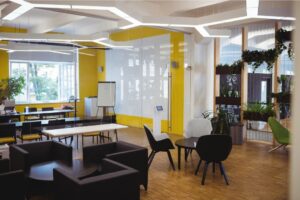
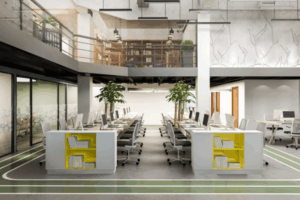
Modern or open plan fitouts prioritise open spaces, flexible layouts, and collaborative zones. These spaces often have modular furniture and shared workstations. They also have areas for team meetings and brainstorming. They encourage communication, teamwork, and adaptability within the workspace.
3. Hybrid Fitouts
Hybrid fitouts combine parts of both traditional and modern designs. They offer a balance between privacy and collaboration. These fitouts may include private offices and communal areas. They give employees options based on their work needs.
Examples of Office Fitouts
To better understand the concept of office fitouts, let’s explore a few real-world examples:
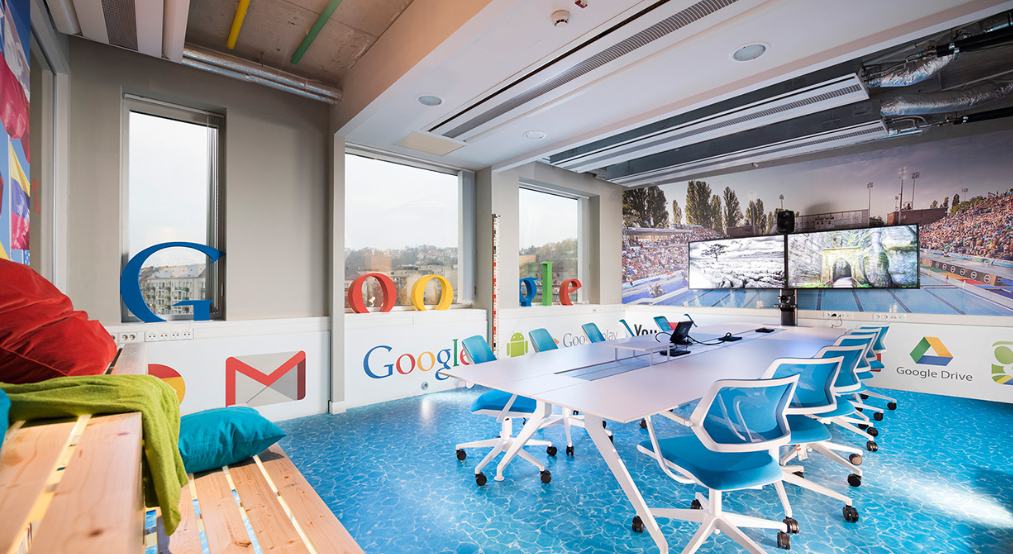
1. Google Headquarters
Google is renowned for its innovative and creative office spaces. The headquarters have vibrant colours, playful themes, and many recreational areas. They exemplify the modern open-plan fitout. It fosters collaboration and employee engagement.
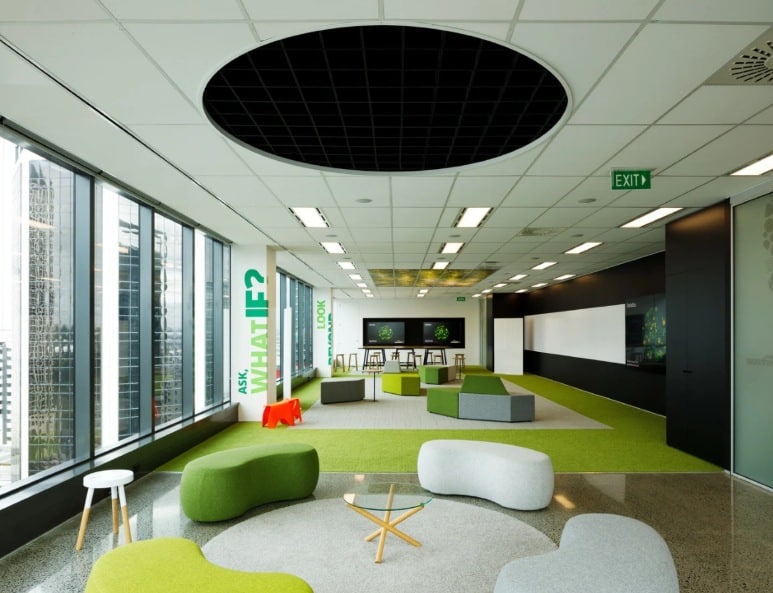
2. Deloitte’s “Hoteling” Concept
Deloitte is a global professional services firm. It has embraced the concept of “hoteling” in its office fitouts. Employees can reserve desks or workspaces as needed. This promotes flexibility and fills office space.
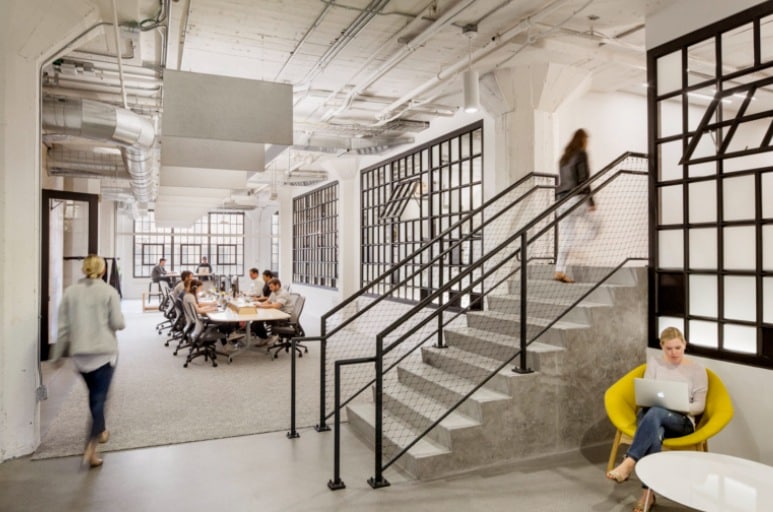
3. Airbnb’s Unique Workspaces
Airbnb takes office design to another level with its unconventional and themed workspaces. They have replicas of real Airbnb listings. They also have cosy nooks inspired by travel destinations. Airbnb’s fitouts reflect the company’s creative and adventurous culture.
Advantages of Office Fitouts
The office fitout process offers several advantages for businesses:
- Enhanced productivity and efficiency through optimised workspace layouts.
- Improved employee morale and satisfaction with aesthetically pleasing and functional environments.
- Increased collaboration and communication among team members in open-plan settings.
- Flexibility to adapt to evolving business needs and accommodate growth or changes in workforce dynamics.
Current statistics reveal that organisations investing in office fitouts experience a significant increase in employee satisfaction, with studies showing up to a 20% rise in productivity and a 30% reduction in employee turnover rates.
The Office Fitout Process
The steps of the office fitout process may vary. This variance depends on factors such as budget, timeline, and scope. But, the general framework includes these stages:
1. Consultation and Needs Assessment
The initial stage of the office fit-out process, led by a team of design experts such as us – Prima Commercial Fitouts, is characterised by extensive collaboration with the client. This phase establishes the groundwork for the entire project. Through a series of surveys, interviews, and discussions, we delve into comprehending the company’s requirements, objectives, and limitations. Key stakeholders are involved to ensure their perspectives and insights are integrated into the assessment process. By gaining an understanding of the company’s needs, goals, and budgetary considerations, we tailor our approach to deliver a solution that perfectly aligns with the client’s vision, ensuring their ideal workspace becomes a reality.
2. Design Development
Armed with insights from the consultation phase, the design team begins translating concepts into concrete plans. This stage includes creating layouts, floor plans, and detailed 3D renderings that give life to the client’s vision. Iterative feedback loops are established to foster collaboration and ensure the design aligns with the client’s preferences and objectives. The design development phase is marked by creativity, innovation, and meticulous attention to detail, as the team aims to deliver a solution that surpasses the client’s expectations.
3. Approval and Documentation
Once the design has been refined and finalised, the focus shifts to obtaining approvals and preparing project documentation. This involves managing the regulatory papers to secure necessary construction permits and approvals. In parallel, detailed documentation—comprising construction drawings, specifications, and schedules—is prepared, providing clear guidance for the implementation phase. Effective communication and transparent documentation are crucial in mitigating risks and ensuring a smooth changeover from design to construction.
4. Construction and Installation
With the necessary approvals and documentation ready, the project advances to the construction phase. This stage bustles with activity as crews work to realise the design. Tasks range from demolition and site preparation to installing partitions, furniture, lighting, and technology infrastructure, all carried out with precision and efficiency. Project management is key in coordinating these activities, keeping work on schedule and within budget. Ongoing site inspections and coordination are essential for upholding quality and resolving any construction challenges.
5. Quality Assurance and Handover
As construction nears completion, attention turns to ensuring the workspace meets the highest standards of quality, functionality, safety, and aesthetics. Thorough quality assurance checks are performed to address any deficiencies or discrepancies. Once the final outcome meets approval, the space is officially handed over to the client, ready for use. This handover signifies the successful completion of the office fitout process, transforming a vision into reality. A well-planned and executed fitout allows businesses to enjoy a revitalized workspace that fosters creativity, collaboration, and productivity.
Conclusion
The office fitout process is a comprehensive undertaking that transcends aesthetics, involving strategic planning, design innovation, and flawless execution. Investing in a thoughtfully planned fitout allows businesses to create environments that reflect their brand identity and enhance productivity, collaboration, and employee well-being. Whether it’s adopting open-plan layouts, integrating modern amenities, or achieving a balance between privacy and interaction, Prima Commercial Fitouts is here to assist you. A successful office fitout can transform workspaces into dynamic centres of creativity and achievement.